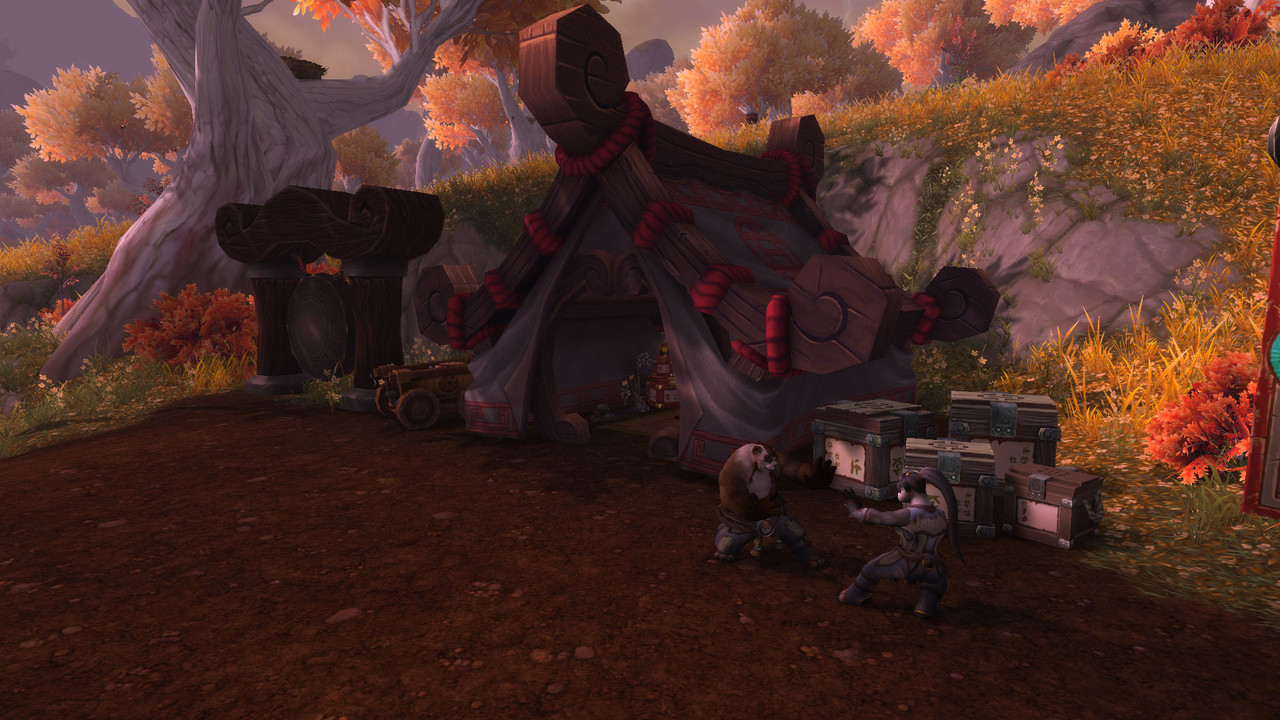
The Vale of Eternal Blossoms in Pandaria stands as one of the most visually stunning and culturally rich zones in World of Warcraft. However, its tragic transformation into a battlefield of destruction has left a lasting impact on players. This guide delves into the narrative and mechanics behind the Vale’s heartbreaking fate, exploring its significance in the game’s lore and the emotional responses it evokes from the community.
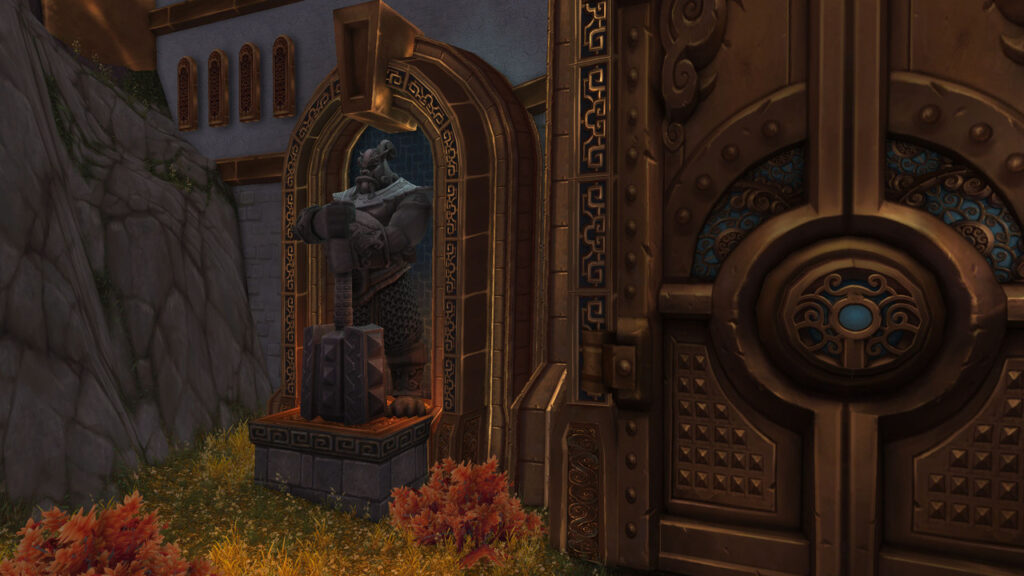
What Happened to the Vale of Eternal Blossoms in WoW?
The Vale of Eternal Blossoms was devastated during the Siege of Orgrimmar, leading to its transformation from a serene paradise to a war-torn landscape.
The Vale was initially a tranquil haven, home to the Pandaren and rich in natural beauty. However, the conflict between the Alliance and the Horde escalated, culminating in the Siege of Orgrimmar. This event brought forth the Sha, manifestations of negative emotions, which corrupted the land and its inhabitants. The once vibrant flora and fauna were tainted, and the sacred sites were desecrated, marking a significant shift in the zone’s atmosphere. Players witnessed firsthand the consequences of war, as the Vale became a symbol of loss and destruction.
- Understand the lore: Familiarize yourself with the history of the Pandaren and the significance of the Vale.
- Explore the changes: Visit the Vale to observe the environmental transformations and their impact on gameplay.
- Engage with NPCs: Speak to characters affected by the destruction to gain insight into their stories.
- Participate in quests: Complete quests that highlight the ongoing struggles within the Vale and its restoration efforts.
Why Is the Vale of Eternal Blossoms Significant in WoW Lore?
The Vale of Eternal Blossoms serves as a crucial narrative element, representing the harmony of nature and the consequences of conflict in World of Warcraft.
The Vale is not merely a zone; it embodies the philosophical ideals of the Pandaren, emphasizing balance and tranquility. Its destruction symbolizes the broader themes of war and its impact on the environment and society. The Vale was home to the Mogu and the August Celestials, who played pivotal roles in maintaining the balance of power in Pandaria. The loss of this equilibrium due to the conflict serves as a cautionary tale about the repercussions of unchecked ambition and hatred. The Vale’s narrative arc reflects the struggle between light and darkness, making it a poignant part of the game’s lore.
Additionally, the Vale’s significance is underscored by its unique gameplay mechanics, including the use of the Heart of the Vale, which players could interact with to gain buffs. The transformation of this sacred site into a battleground highlights the stark contrast between its original purpose and its current state. Players often reminisce about the beauty of the Vale before its fall, making its narrative even more impactful. The Vale’s story serves as a reminder of the fragility of peace and the importance of preserving harmony in the face of adversity.
How Did the Destruction of the Vale Affect Gameplay?
The destruction of the Vale of Eternal Blossoms significantly altered gameplay dynamics, affecting quest lines, player interactions, and environmental aesthetics.
With the Vale’s transformation, players experienced a shift in the types of quests available. Many quests that once focused on exploration and harmony now centered around combat and conflict resolution. The introduction of new enemies, such as corrupted creatures and Sha manifestations, changed the gameplay landscape, requiring players to adapt their strategies. Additionally, the aesthetic changes to the environment, including the darkened skies and corrupted flora, created a more somber atmosphere that contrasted sharply with the Vale’s previous beauty. This shift not only impacted individual player experiences but also influenced group dynamics in raids and dungeons.
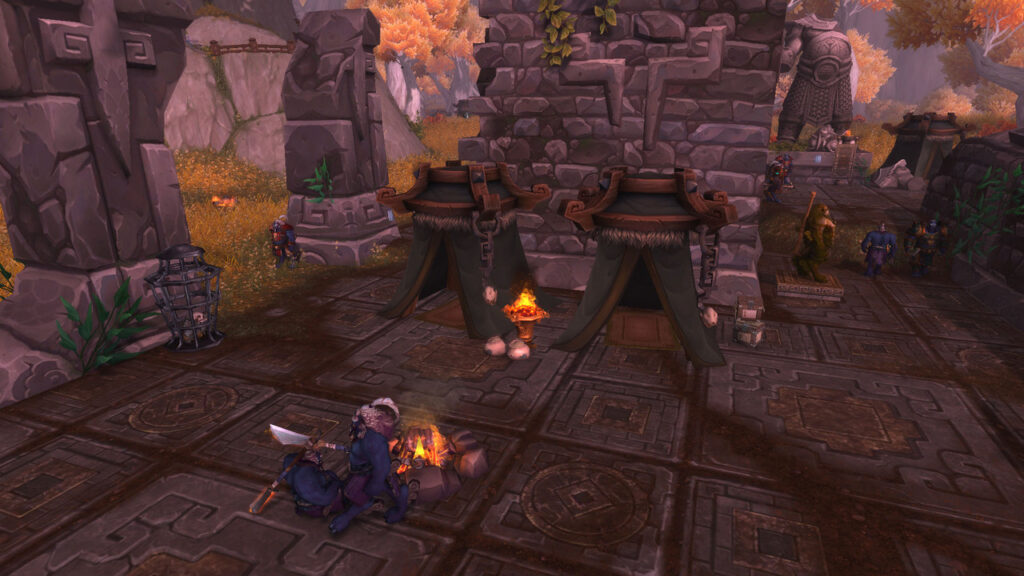
Moreover, the Vale’s destruction led to the introduction of new mechanics, such as the need for players to cleanse the land of corruption. This gameplay element encouraged cooperation among players, fostering a sense of community as they worked together to restore the Vale. The emotional weight of the Vale’s story also influenced player engagement, with many expressing a desire to see the zone restored to its former glory. The ongoing narrative surrounding the Vale continues to resonate with players, making it a focal point for discussions about the game’s themes of loss and redemption.
What Are the Key Events Leading to the Vale’s Destruction?
Key events leading to the Vale’s destruction include the Siege of Orgrimmar and the rise of the Sha, which collectively altered the landscape and lore of the zone.
The following table summarizes the critical events that contributed to the Vale’s tragic fate. Understanding these events provides insight into the narrative progression and emotional impact of the Vale’s story.
| Event | Date | Description | Impact |
|---|---|---|---|
| Siege of Orgrimmar | Patch 5.4 | A major conflict between the Alliance and Horde. | Led to the release of the Sha and the corruption of the Vale. |
| Corruption of the Heart of the Vale | Patch 5.4 | The Heart became tainted by negative emotions. | Altered gameplay mechanics and quest lines. |
| Restoration Efforts | Ongoing | Players engage in quests to cleanse the Vale. | Fosters community cooperation and engagement. |
How Can Players Experience the Vale’s Story Today?
Players can experience the Vale’s story today through quests, exploration, and community events focused on its restoration.
To fully appreciate the Vale’s narrative, players should engage with the various quests available in the zone. These quests often highlight the ongoing struggles of the Pandaren and the efforts to cleanse the land of corruption. Additionally, exploring the Vale allows players to witness the remnants of its former beauty and the stark contrast to its current state. Participating in community events, such as seasonal festivals or in-game gatherings, can also enhance the experience, as players come together to honor the Vale’s legacy.
What Are the Long-term Implications of the Vale’s Destruction?
The long-term implications of the Vale’s destruction include lasting emotional resonance among players and potential future storylines centered around restoration and redemption.
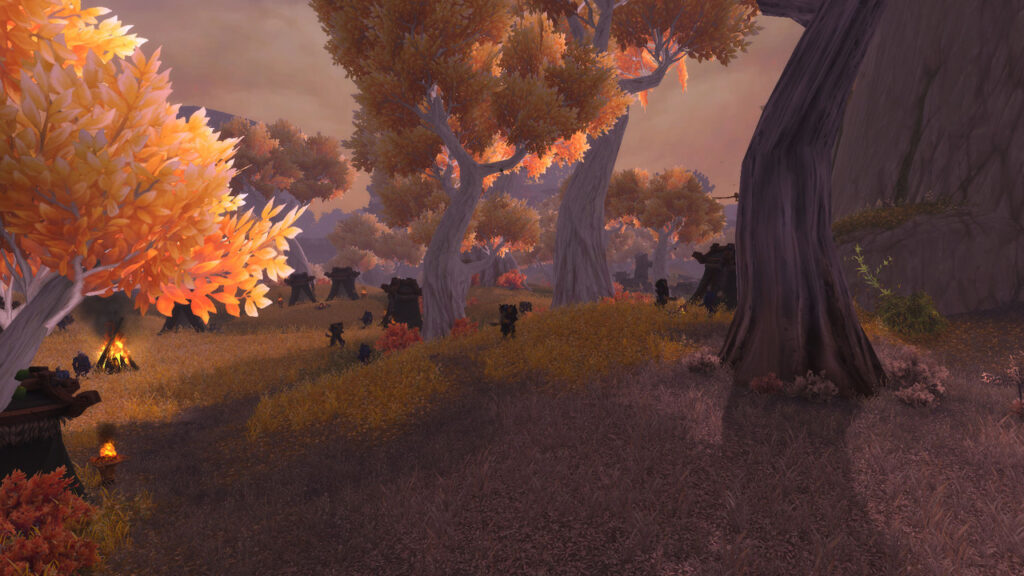
The emotional impact of the Vale’s destruction continues to resonate within the player community, influencing discussions about the game’s narrative direction. The ongoing theme of loss and the desire for restoration may lead to future expansions or updates that revisit the Vale’s story. Players often express a longing for the return of the Vale’s original beauty, which could serve as a powerful narrative arc in future content. This desire for redemption reflects a broader theme in World of Warcraft, where players seek to restore balance and harmony in the face of adversity.
Frequently Asked Questions
What was the original purpose of the Vale of Eternal Blossoms?
The Vale of Eternal Blossoms served as a sacred site for the Pandaren, embodying their values of harmony and balance. It was home to the August Celestials and played a crucial role in maintaining the spiritual and physical well-being of Pandaria.
How did the Siege of Orgrimmar affect the Vale?
The Siege of Orgrimmar led to the release of the Sha, which corrupted the Vale and its inhabitants. This event marked a significant turning point, transforming the once serene environment into a battleground filled with chaos and despair.
Are there any quests related to the restoration of the Vale?
Yes, players can engage in various quests that focus on cleansing the Vale of its corruption. These quests often involve interactions with NPCs who share their stories and struggles, highlighting the ongoing efforts to restore the land.
What can players do to help restore the Vale?
Players can participate in community events, complete restoration quests, and engage with the lore surrounding the Vale. By working together, players can contribute to the narrative of healing and redemption that defines the Vale’s story.