For role-players (RP) in World of Warcraft (WoW), combat is often seen as a necessary break from narrative, a pause button on storytelling while mechanics take over. Yet, the chaos and intensity of dungeon combat offer a unique and thrilling opportunity to deepen character development, advance plots, and create genuinely epic moments through active narration. It’s about transforming a series of ability presses into a dynamic, descriptive scene that highlights your character’s prowess, vulnerability, and personality. This guide unveils narration tricks for weaving compelling stories *within* dungeon RP, empowering you to describe your character’s actions, reactions, and inner turmoil amidst the fray, making every pull a narrative opportunity and transforming mechanical encounters into rich, immersive, and unforgettable cinematic experiences for everyone involved.
Keep It Concise and Timely: The “Snapshot” Approach
The golden rule of combat RP narration is brevity and speed. Dungeons move fast, and players are focused on mechanics. Your narration should be a “snapshot”—a short, punchy description of a key action or reaction, rather than a paragraph-long soliloquy. Aim for 1-2 lines of descriptive text per action, and hit ‘enter’ quickly.
Focus on a single, impactful detail: a swing, a spell, a dodge, a grunt of pain. For example, instead of “/e charges the monster with a mighty roar, axe cleaving the air and striking a blow,” try “/e roars, axe biting into the monster’s flank.” This keeps the flow going, provides flavor, and doesn’t overwhelm the chat or distract from gameplay, making your narration a quick, impactful addition to the scene.
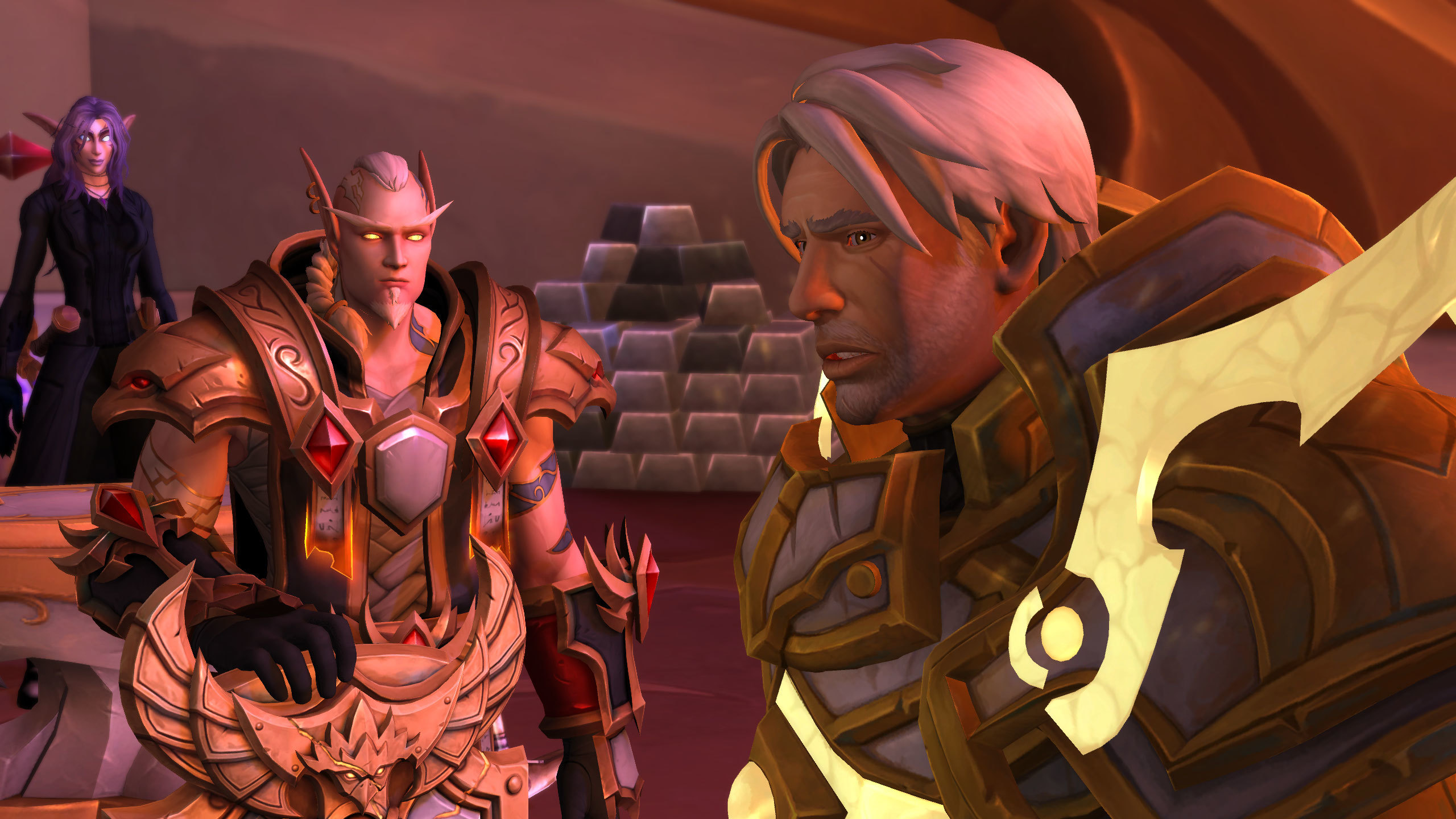
Focus on Character, Not Just Mechanics: The “Why” and “How”
Don’t just narrate *what* your character does (e.g., “casts Fireball”). Describe *how* they do it and *why* it’s significant to their character. This adds personality and deepens immersion:
- Paladin: “/e’s shield flares with blinding light, momentarily stunning the ghoul, a grim determination set on her face.” (Focus: Light, determination).
- Rogue: “/e slips effortlessly into the monster’s blind spot, a shadowy dagger finding its mark with ruthless precision.” (Focus: Stealth, precision).
- Shaman: “/e’s totems thrum with primal energy, calling forth a wave of healing that washes over the tank, eyes fixed on the elemental spirits.” (Focus: Elements, focus).
By infusing mechanical actions with character-specific flair, you tell a micro-story with each ability. This reinforces their identity, showcases their unique combat style, and provides other players with vivid imagery, transforming a generic “hit” into a character-symphony.
| Narration Trick | Purpose | Example Action/Narration | Impact on Combat RP |
|---|---|---|---|
| Concise Snapshots | Maintain flow, prevent chat clutter. | “/e roars, axe biting into monster’s flank.” (Quick, punchy) | Adds flavor without disrupting gameplay speed. |
| Character-Driven Detail | Show *how* & *why* character acts, not just *what*. | “/e’s shield flares, grim determination on her face.” | Deepens character, personalizes combat style. |
| Sensory Immersion | Engage senses (sight, sound, smell, feel). | “/e winces as the foul stench of the demon fills the air.” | Makes combat feel more real and impactful. |
| Reactions & Vulnerability | Show character taking damage, exhaustion, fear. | “/e grunts as the blow glances off his armor.” | Adds realism, shows character’s mortality, builds tension. |
| Environmental Interaction | Use surroundings to your advantage (or disadvantage). | “/e vaults over a broken pillar, evading the swipe.” | Makes the dungeon feel more dynamic, less static. |
| Targeted Narration | Reference other characters, create micro-interactions. | “/e’s spell crackles, a quick nod to [Healer’s Name].” | Fosters teamwork, makes others feel involved. |
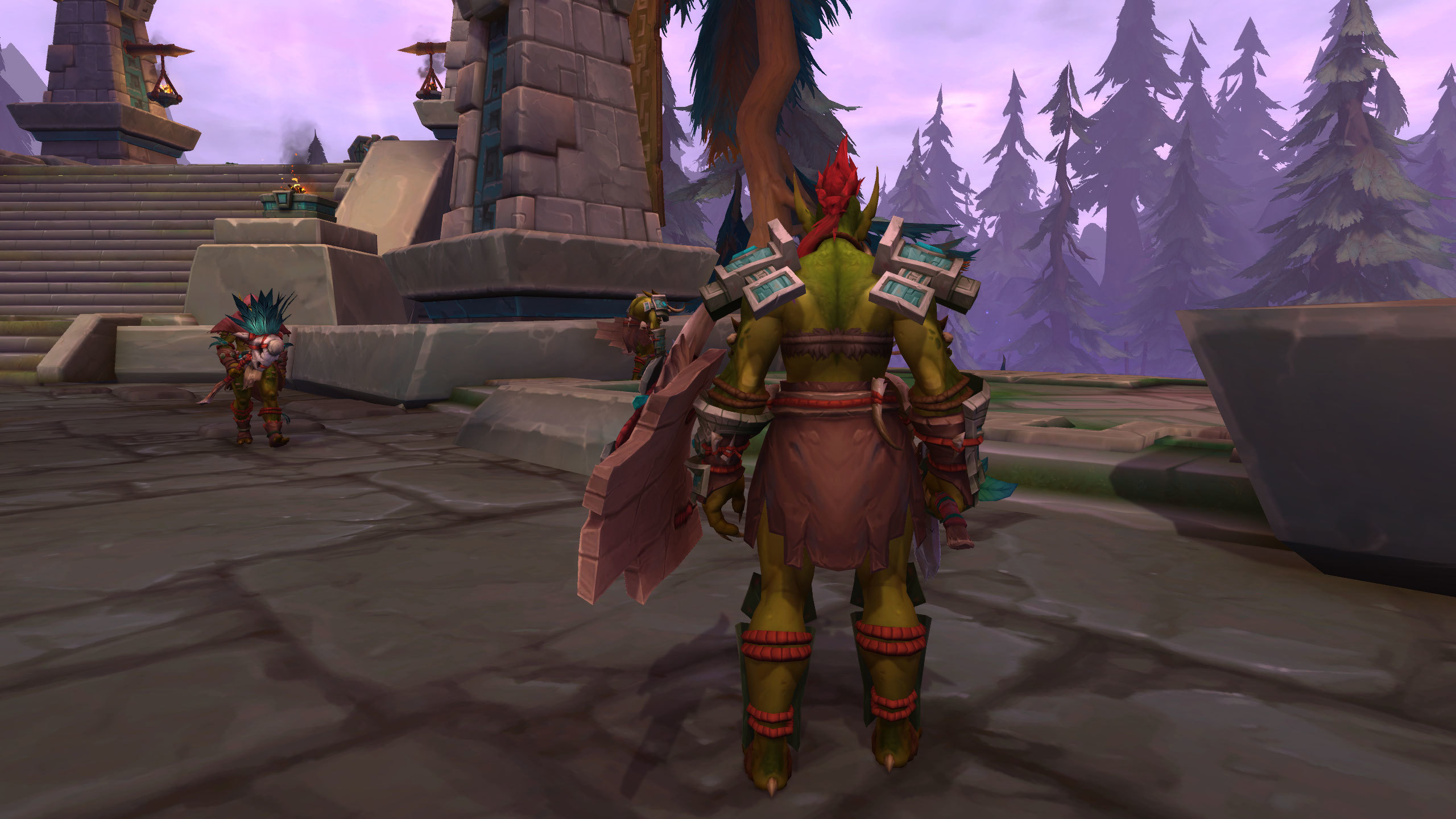
Engage the Senses: Sight, Sound, Smell, Feel
Combat is a sensory overload. Use your narration to bring this to life, even in small ways. Focus on one or two sensory details that enhance the scene:
- Sight: “The monster’s eyes glow with malevolent green light,” “Sparks fly as the blade clashes.”
- Sound: “The air crackles with arcane energy,” “A guttural roar echoes through the cavern.”
- Smell: “The foul stench of blood and decay fills the air,” “A whiff of ozone from the lightning spell.”
- Feel: “The ground shakes from the impact,” “A wave of heat washes over him from the dragon’s breath.”
By engaging the senses, you make the combat feel more tangible and immersive, pulling both yourself and other players deeper into the intensity of the moment. These small descriptive touches paint a richer, more vivid picture than mere mechanical announcements.
Show Vulnerability and Reactions: Not Just Invincible Heroes
Even heroes take hits! Narrate your character’s reactions to damage, near misses, or exhaustion. This adds realism, tension, and makes your character more relatable and dynamic:
- “/e grunts as the blow glances off his shield, a flicker of pain in his eyes.”
- “/e’s breath comes in ragged gasps, hands trembling slightly as she prepares the next spell.”
- “/e barely ducks under the sweeping claw, a strand of hair singed.”
Showing vulnerability doesn’t mean you’re a bad player; it means your character is human (or elf, or orc!). It highlights the danger of combat and makes those moments of triumph even more impactful. It’s crucial for realistic storytelling and allows healers to feel their efforts are genuinely saving lives.
Interact with the Environment and Other Characters
Don’t let the dungeon be just a backdrop. Narrate how your character uses (or is affected by) the environment. And crucially, reference other characters’ actions to foster collaborative storytelling:
- Environment: “/e vaults over a broken pillar to avoid the AoE,” “/e’s foot slips on the wet cavern floor, nearly losing balance.”
- Other Characters: “/e’s healing spell crackles, a quick nod of thanks to [Healer’s Name] for the timely intervention,” “/e presses the attack, emboldened by [Tank’s Name]’s unwavering stance.”
These interactions make the dungeon feel alive and dynamic. Referencing other players’ characters explicitly encourages them to reciprocate, turning individual narrations into a shared, collaborative combat narrative that feels like a true team effort, rather than a collection of isolated actions.
The Cinematic Flow of Collaborative Combat
Telling stories in combat RP transforms dungeon encounters from mere button-mashing into rich, cinematic experiences. By focusing on concise, character-driven, sensory descriptions, and showing vulnerability and interaction, you elevate the entire RP experience for yourself and your group.
Embrace the chaos of battle as an opportunity for narrative. Each pull, each boss, each triumphant victory or near-death experience is a chance to deepen your character’s story, strengthen guild bonds, and create truly unforgettable moments that will be retold as legends long after the loot has been distributed.